
Prior to this visit, I actually knew very little about Kraków. The only reason I included it in the itinerary was because it is the nearest major city to Auschwitz — a place I had always wanted to visit. So what began as a visit centred around Auschwitz became an unforgettable experience filled with medieval architecture, fascinating history, memorable Polish cuisine, and unique attractions such as the Wieliczka Salt Mine. From the vibrant atmosphere of Kraków’s Old Town to the sobering reality of Auschwitz-Birkenau, these three days offered a powerful combination of beauty, culture, and reflection.
Day 1
We took the Leo Express train from Prague’s Hlavní Nádraží railway station to Kraków Główny, a journey of just under six hours. Upon arriving in Kraków, we took an Uber to our accommodation, dropped off our luggage, and headed straight towards the Old Town.
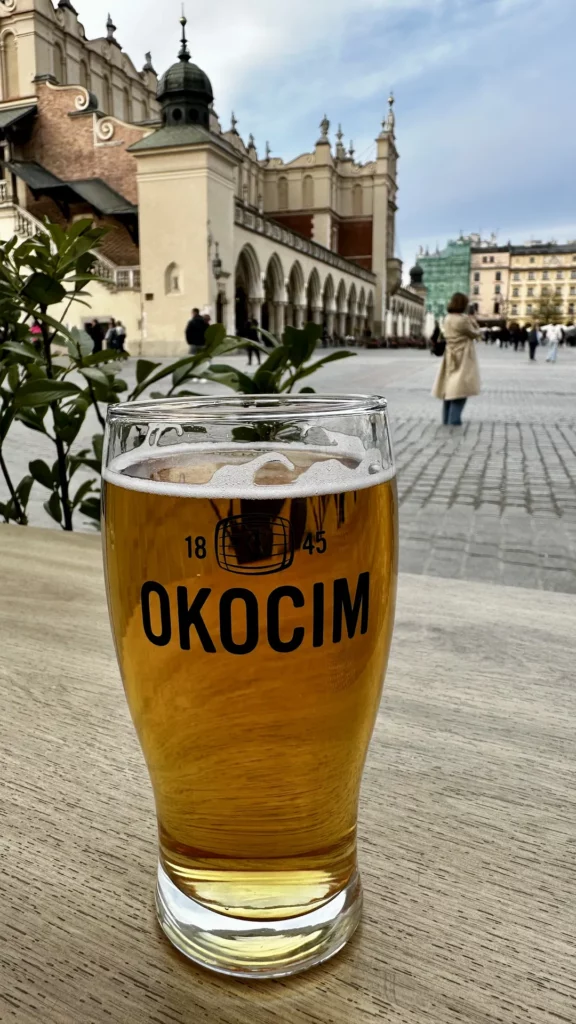
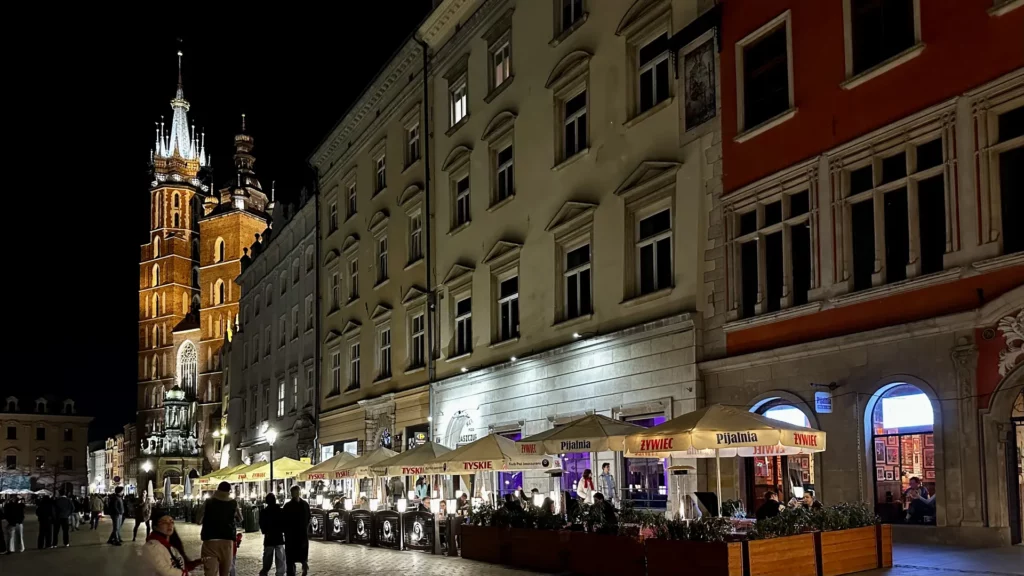
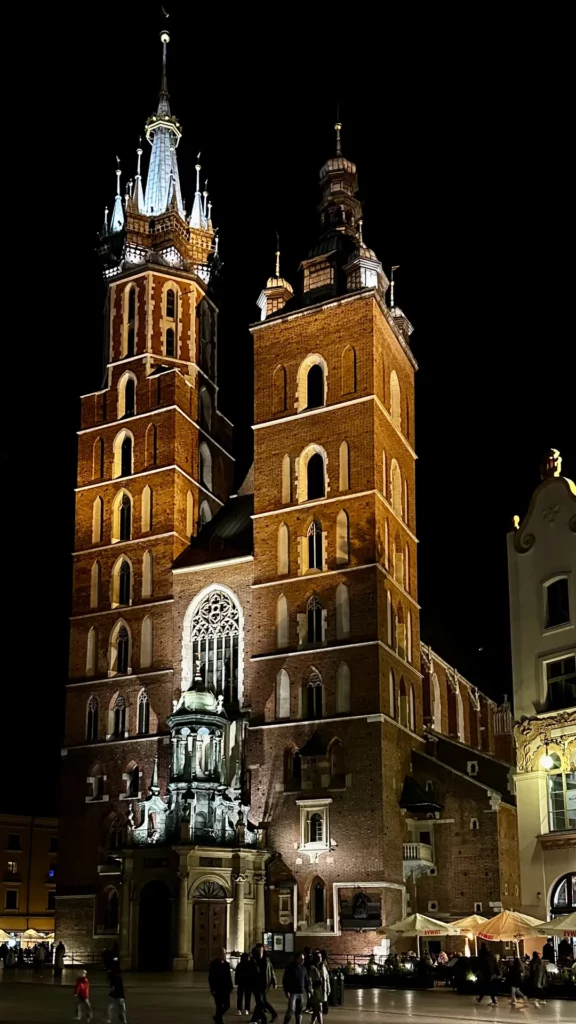
The Rynek Główny is the city’s main square and one of the largest medieval market squares in Europe. Dating back to the 13th century, it is surrounded by historic buildings, numerous restaurants, and small shops. St. Mary’s Basilica, standing 80 metres tall and completed in 1347, towers above the square and, like most churches in Kraków, is built from red brick.
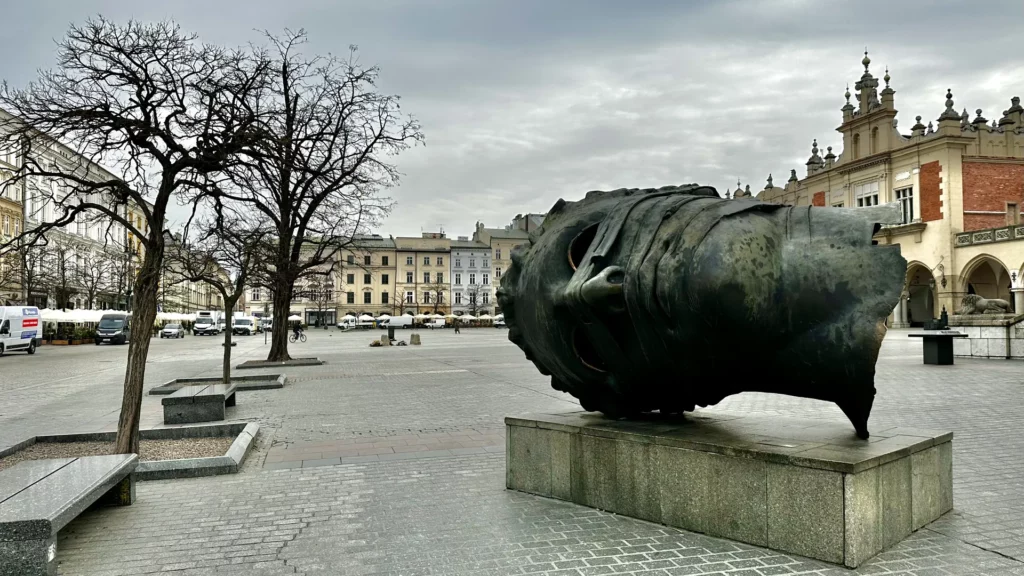
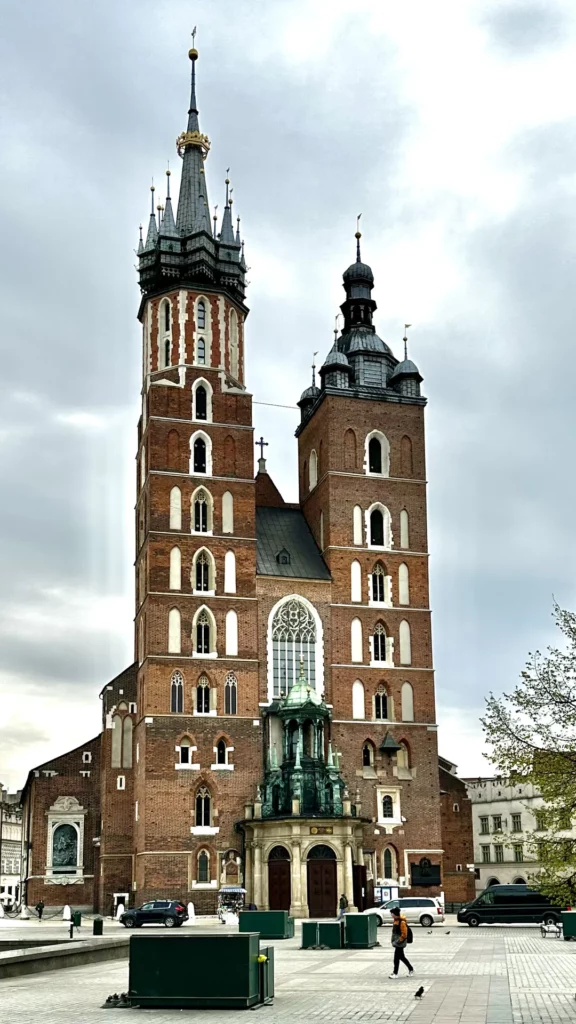
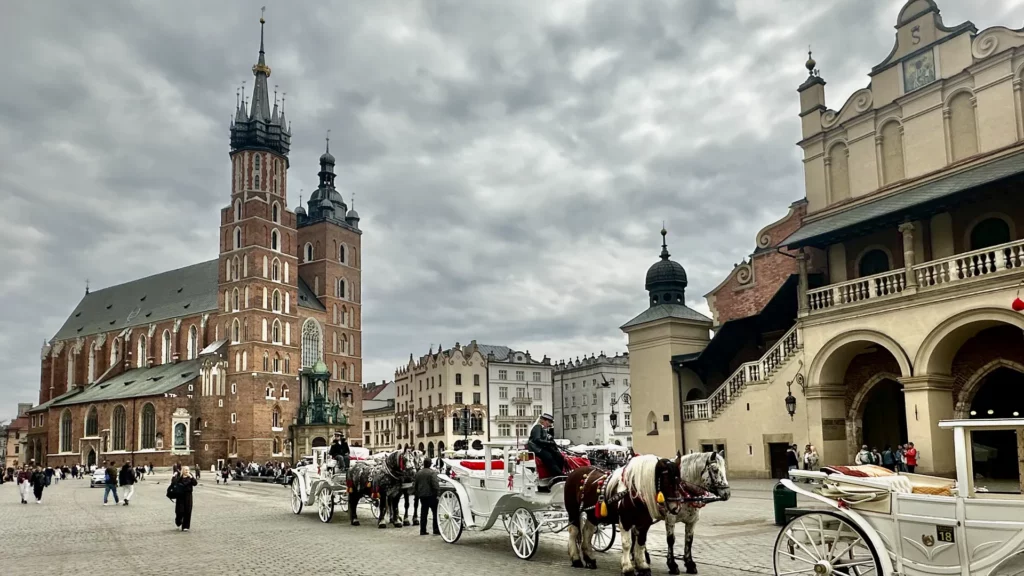
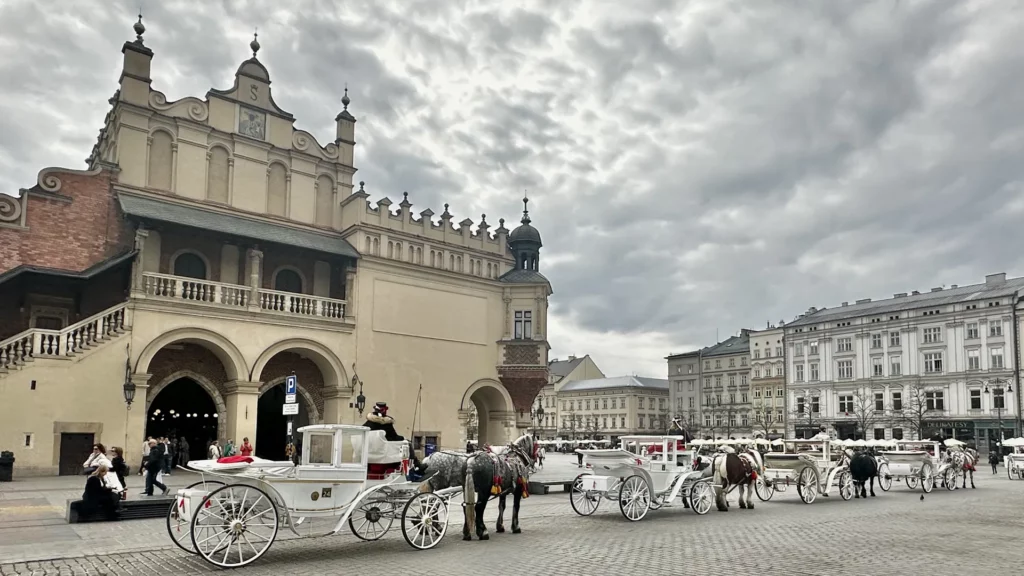
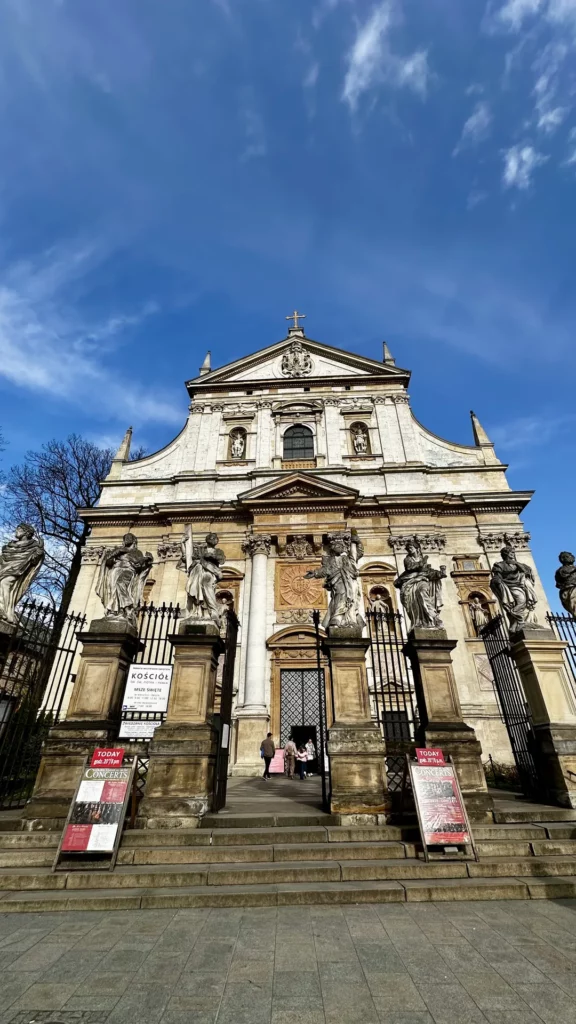
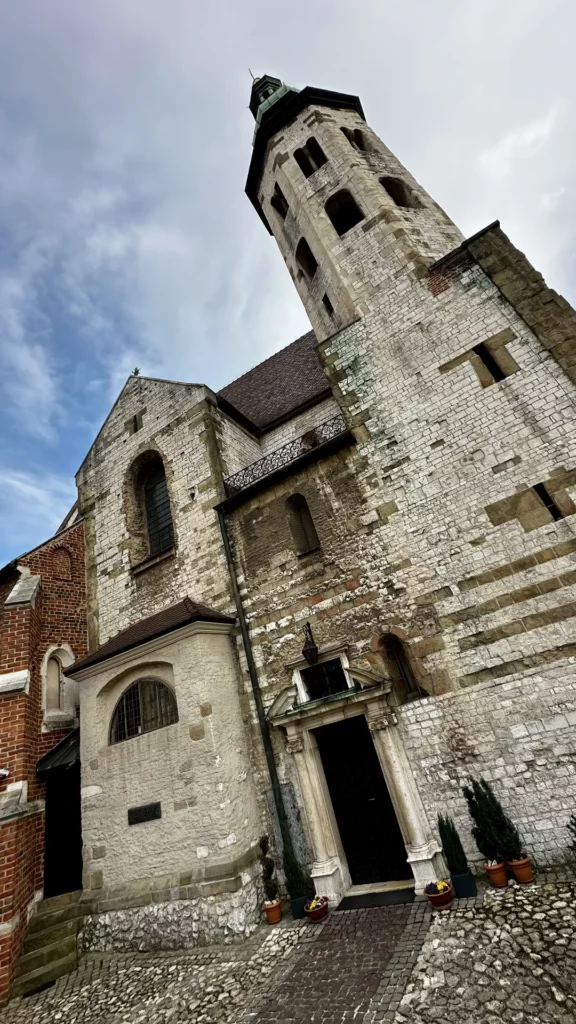
From the Main square, we walk towards Saints Peter and Paul Church (completed in 1619), which is situated next to the much older St. Andrew’s Church, completed in 1098. Outside the church, a woman is singing opera on the pavement, while a little further along an elderly man sits on a bench playing the violin. A city rich in culture which surprises around every corner.
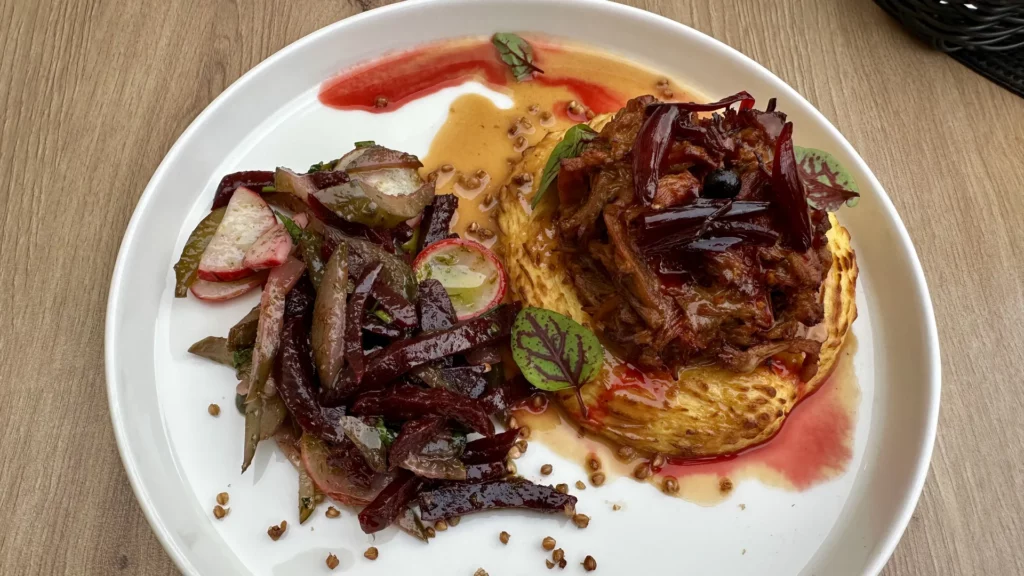
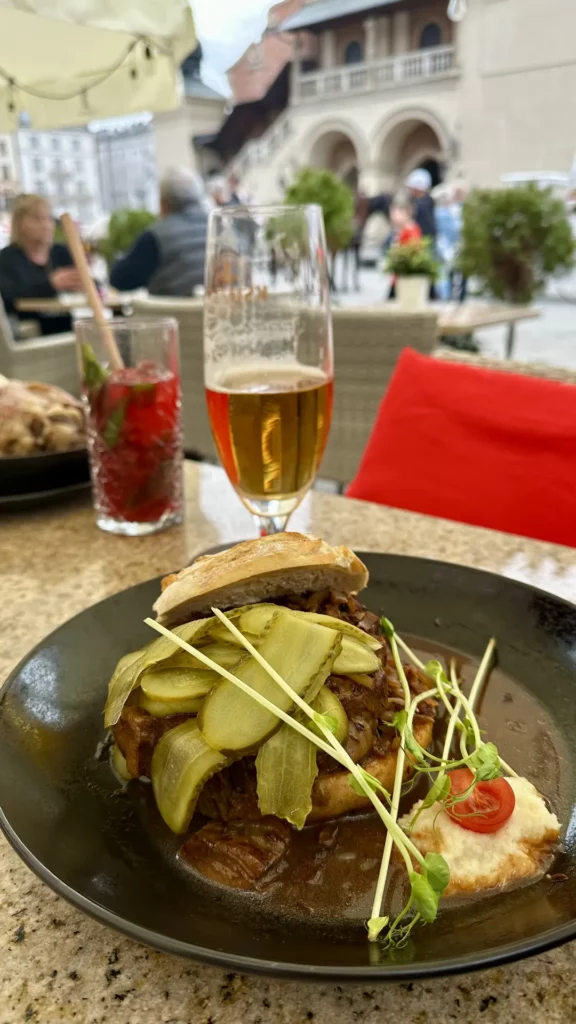
We have lunch at Wentzl Café Bistro on the square and try their traditional Kraków-style Maczanka — pork neck served on mashed potatoes with cucumber and shallot salad. It is a pleasant first introduction to Polish cuisine. Sitting at one of the outdoor tables, we enjoy the beautiful surroundings and the horse-drawn carriages carrying tourists around the square. Nearly all the restaurants housed in historic buildings have stunning interiors and a wonderfully warm atmosphere.
Day 2
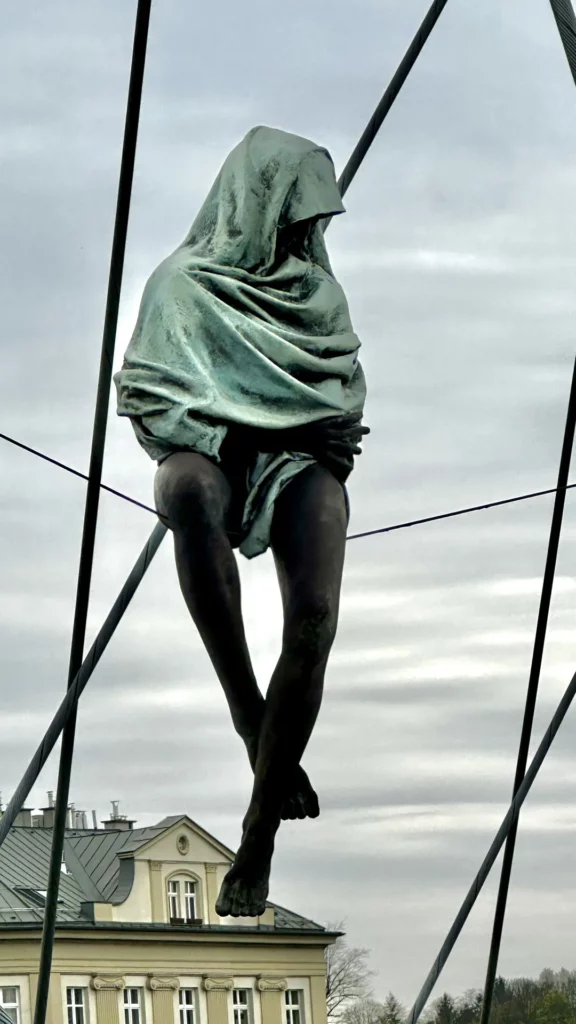
We return to the Old Town, wander around and take photos on the square, before walking all the way to Ghetto Heroes Square in the Jewish Quarter, where a collection of chair sculptures commemorates the persecution of Jews in the ghetto. From there, we continue to the nearby Father Bernatek Bridge, a modern pedestrian bridge (opened in 2010) featuring suspended sculptures.
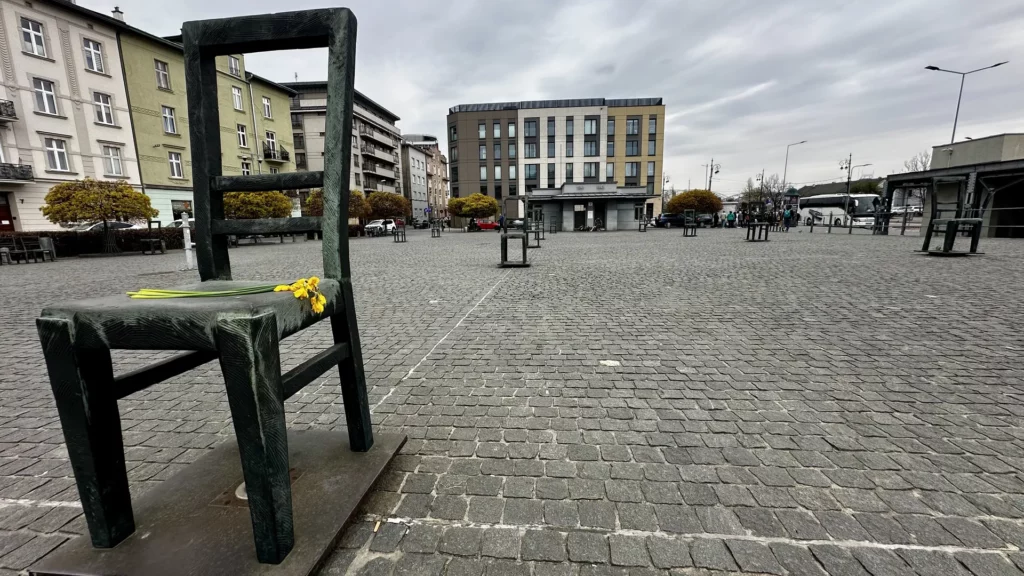
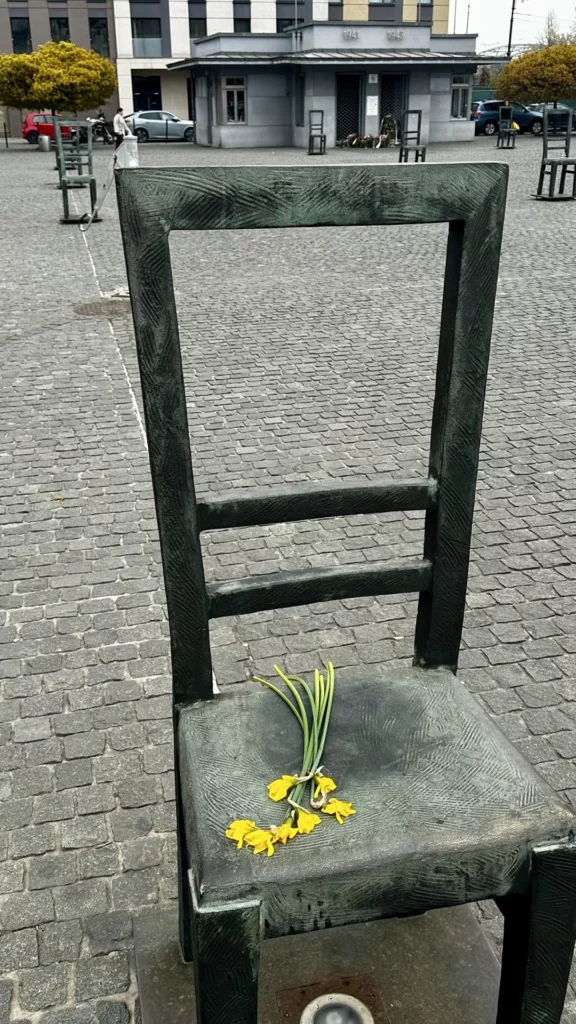
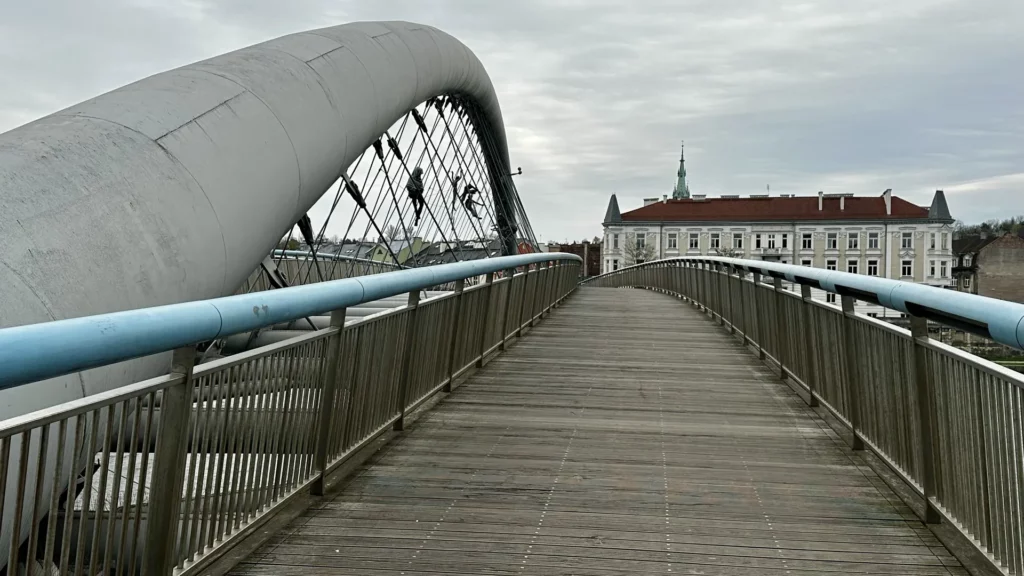
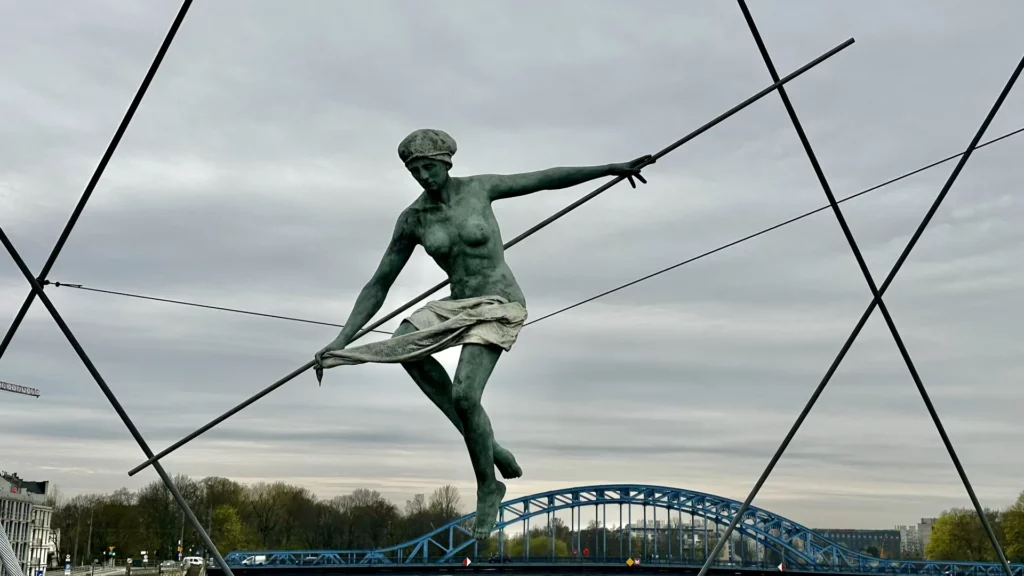
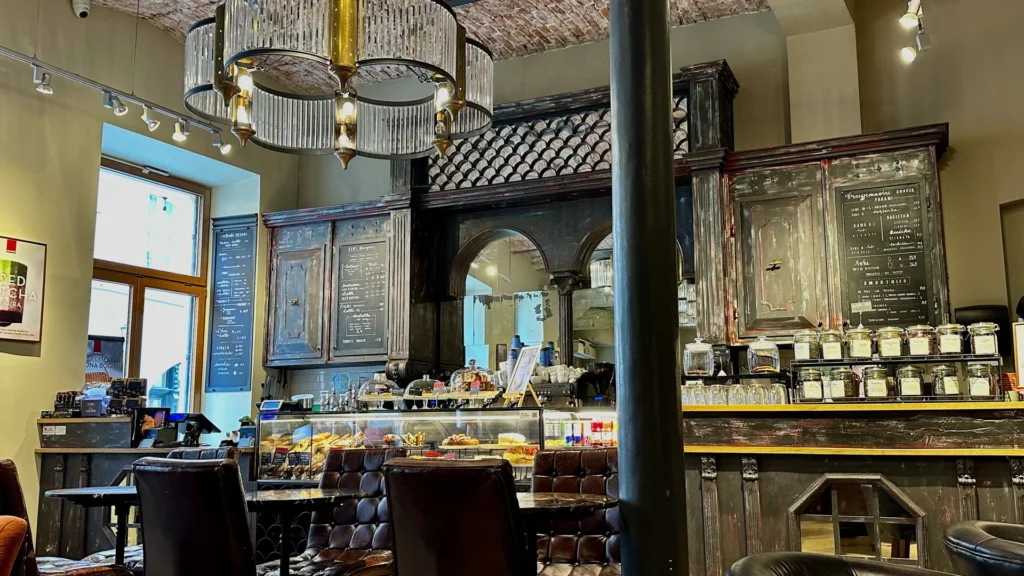
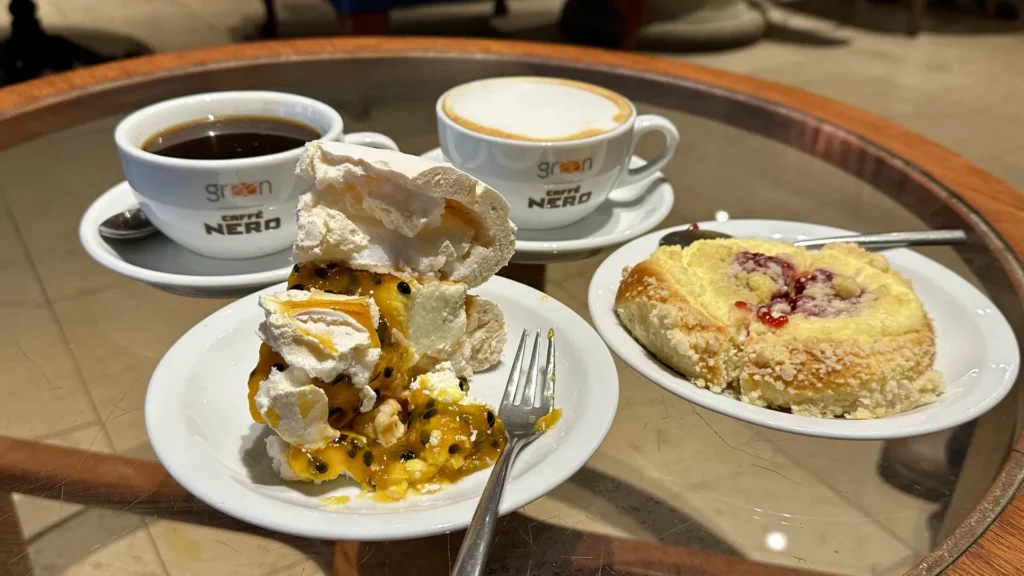
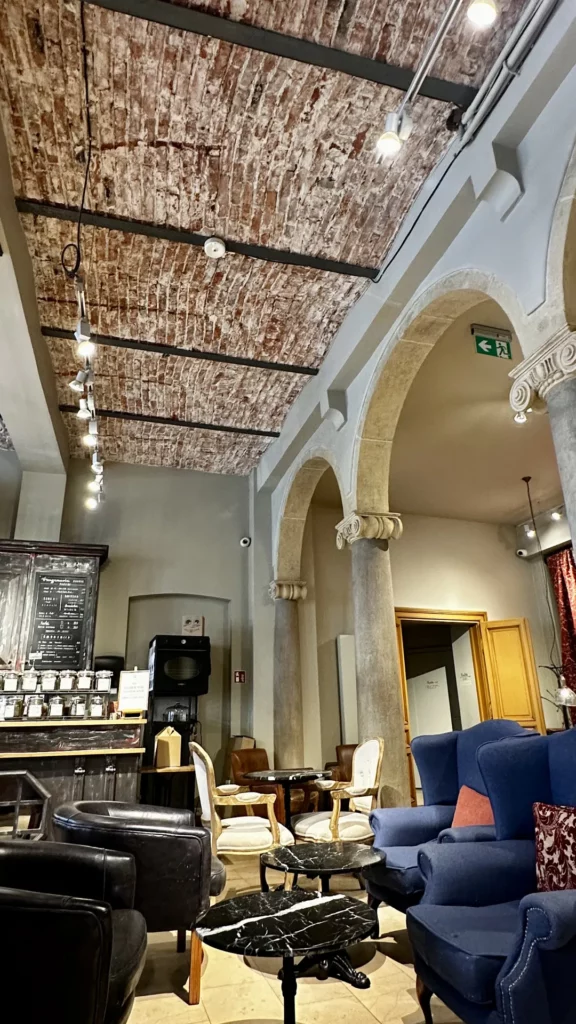
A short Uber ride takes us back to the Main Town Square where we browse through the market and shops and buy a few souvenirs. Just off the Main Square we stumble upon the most beautiful Caffé Nero I have ever seen and decide to sit back and relax whilst enjoying a cup of coffee and some Polish pastry.
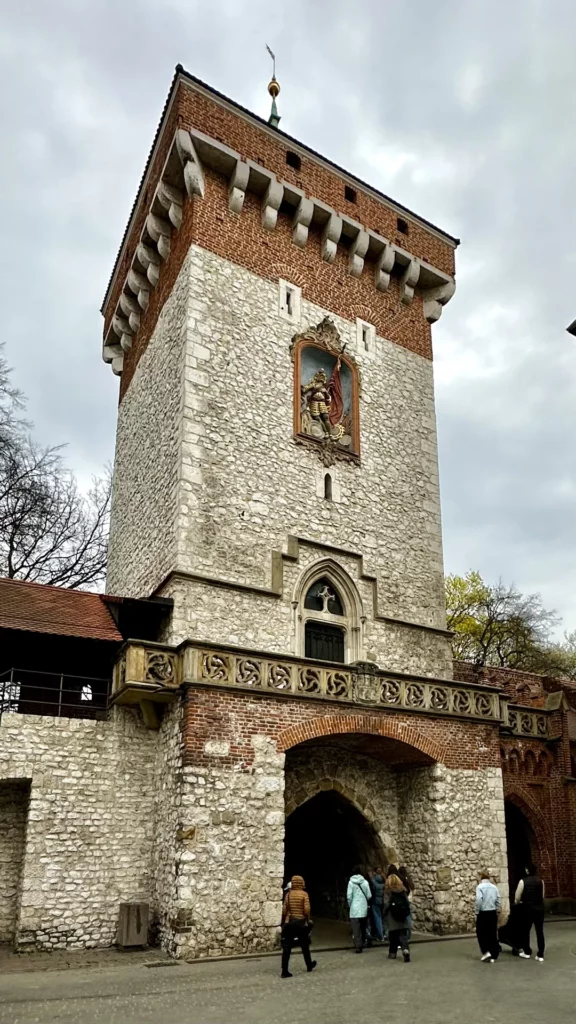
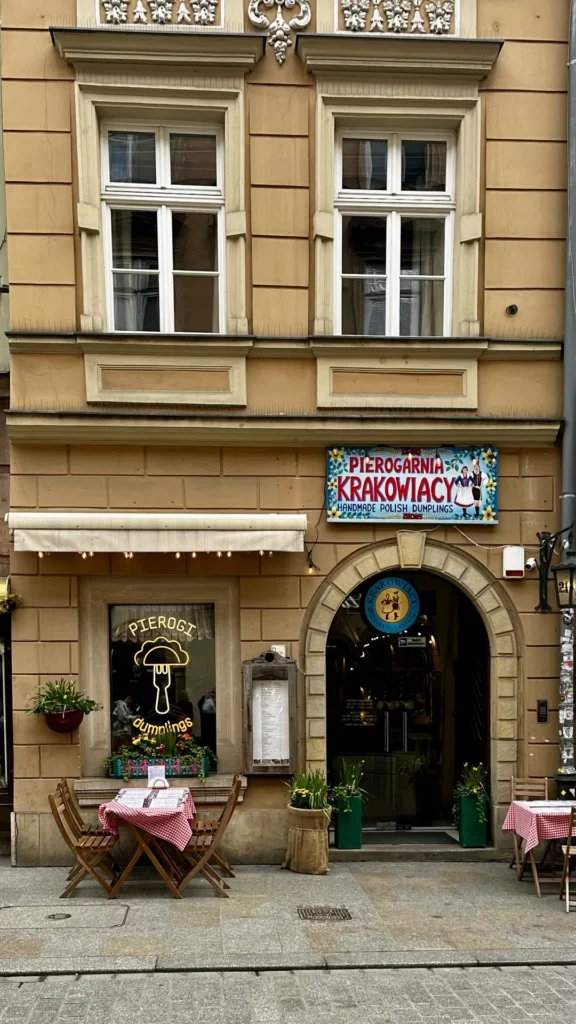
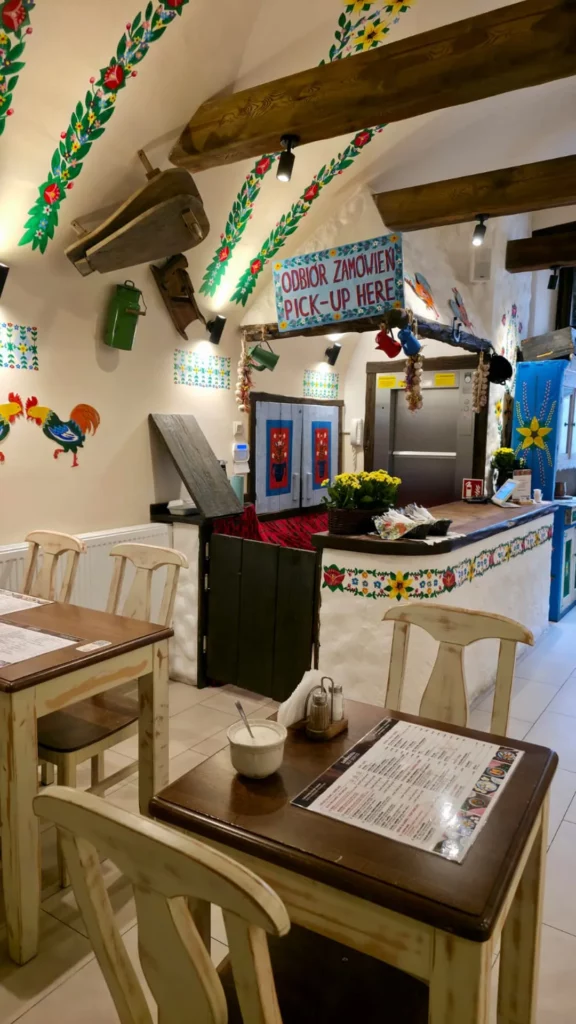
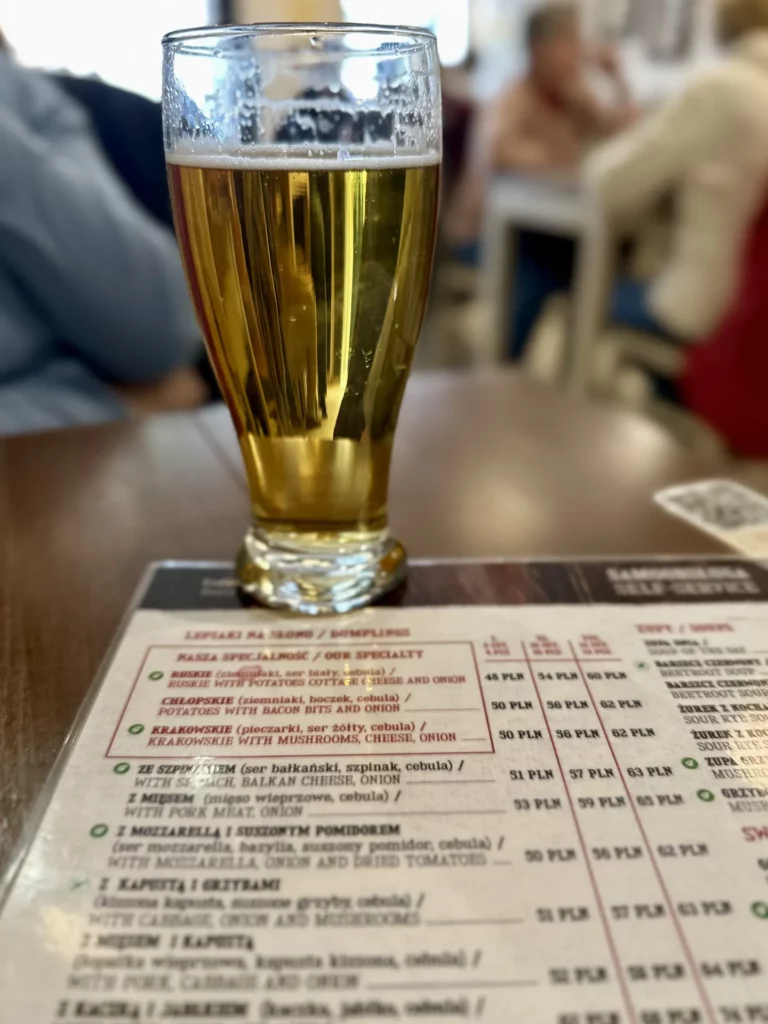
From here we wander along Floriańska Street, which runs from the square to St. Florian’s Gate. We head back to a small restaurant we had noticed earlier, called Pierogarnia Krakowiacy. They serve traditional Polish dishes, and our mission is to try their dumplings. There are many options to choose from, and we eventually settle on Krakowskie (filled with mushrooms, cheese, and onions) and Z Mięsem (pork and onions). Each plate comes with eight dumplings, all packed with flavour and very filling.


At 15:30, we are picked up for our tour to Auschwitz. It had originally been scheduled for 08:00, but due to preparations for the following day’s large-scale 'International March of the Living', which begins at Auschwitz, the entry times were changed. Unfortunately, this meant we ultimately had almost two hours less to explore Auschwitz I and Birkenau (Auschwitz II).
Over the years, I have read numerous books about Auschwitz, especially biographies of survivors. The scale of the Holocaust perpetrated by the Nazis is almost unimaginable, and the full extent of the atrocities committed, difficult to fully comprehend. During a visit to the Yad Vashem Museum in Jerusalem many years ago, I gained a profound awareness of the cruelty and inhumanity of the Nazi camps, and I therefore wanted to see Auschwitz for myself.


Auschwitz was the largest of all the Nazi camps, and between 1940 and 1945 approximately 1,300,000 people were deported there. Of these, 1,100,000 were Jews, 140,000–150,000 were Poles, 23,000 were Roma (Gypsies), 15,000 were Soviet prisoners of war, and 25,000 belonged to other ethnic groups.
Around 1,100,000 of these people died in Auschwitz. Ninety percent of those who perished were Jews, and the overwhelming majority were murdered by the Nazis in the gas chambers.
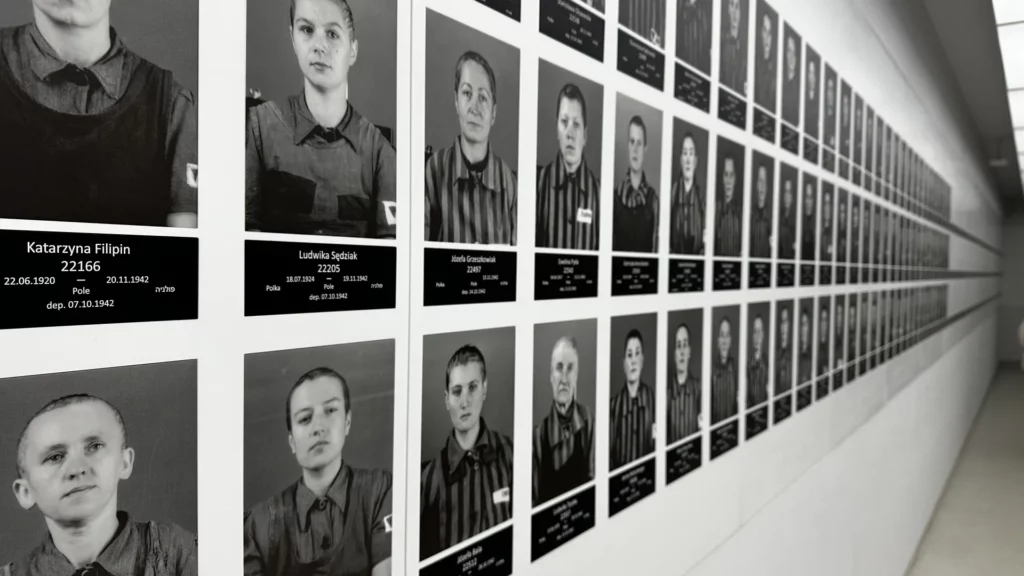
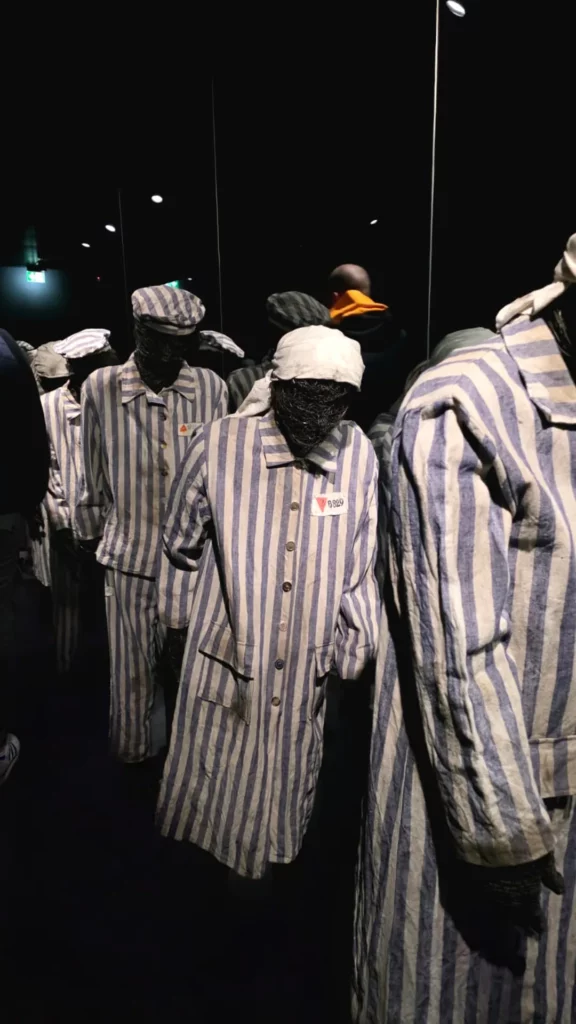
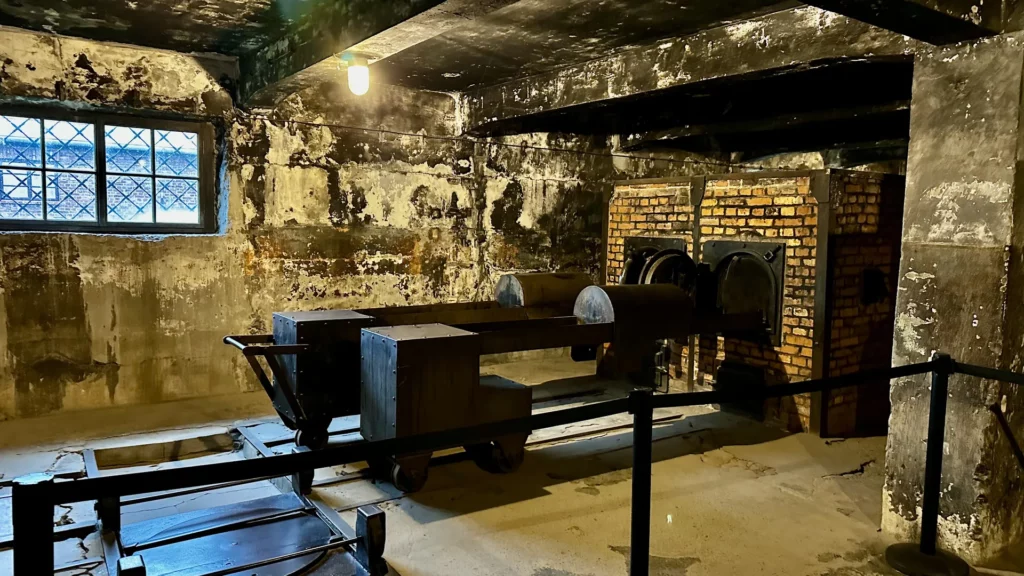
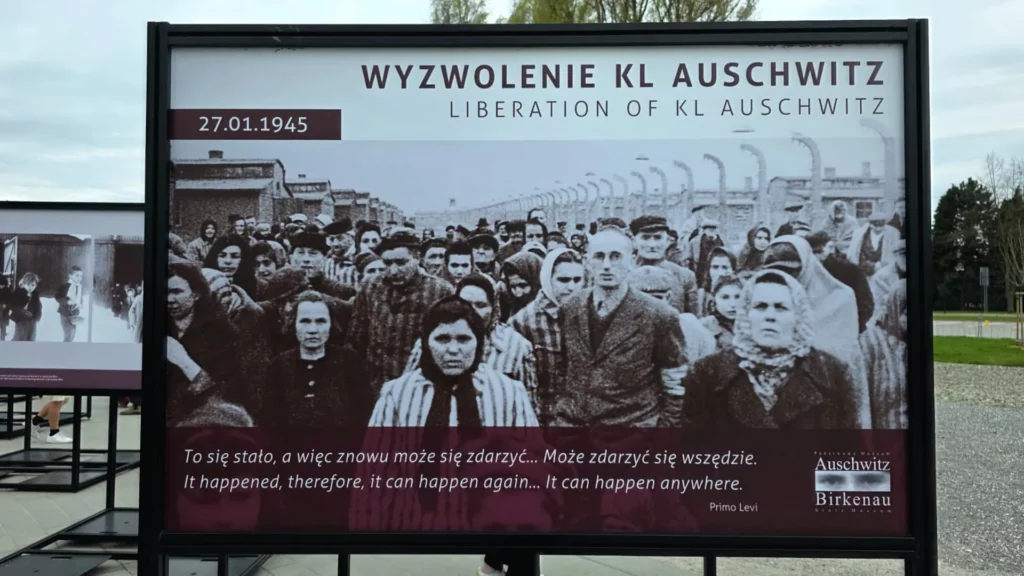
Because our time was limited, we unfortunately could not visit all the blocks and exhibitions. Nevertheless, it was possible to gain an understanding of what the camps looked like and of the inhuman crimes committed there. At places such as the prison cells where certain prisoners were held and tortured, the room where men condemned to execution had to remove and leave behind their clothing, and especially the gas chambers and crematoria where bodies were burned, one becomes intensely aware of the thousands of souls whose earthly journeys came to a brutal end here. Perhaps the exhibit that most tangibly illustrates the scale of the atrocities is a pile of human hair weighing nearly two tons, displayed behind a large glass wall. When Soviet troops liberated Auschwitz on 27 January 1945, they discovered approximately seven tons of human hair stored in warehouses. It had been intended for sale to German industries, and there is even an example on display of fabric woven from human hair.

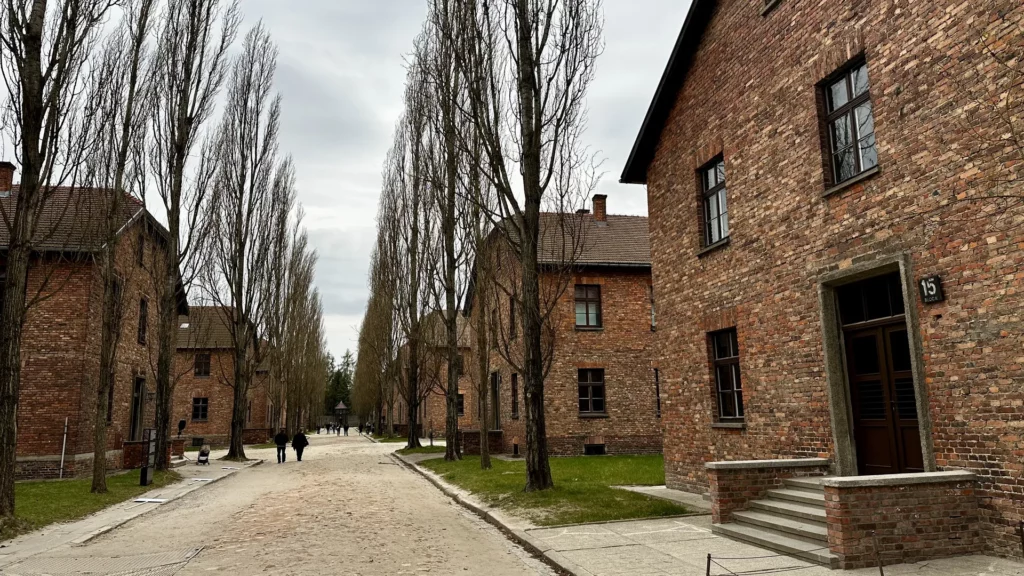
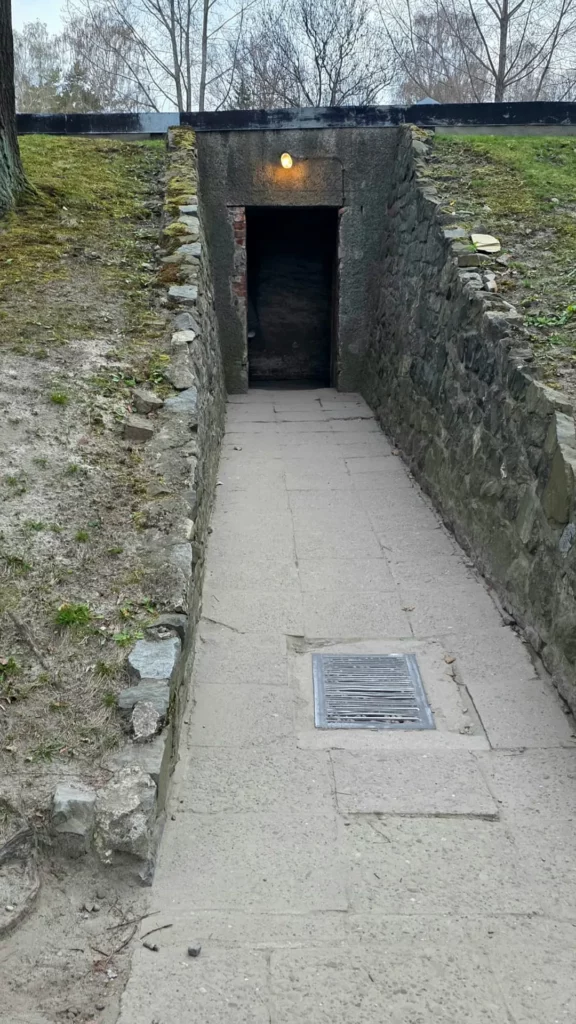
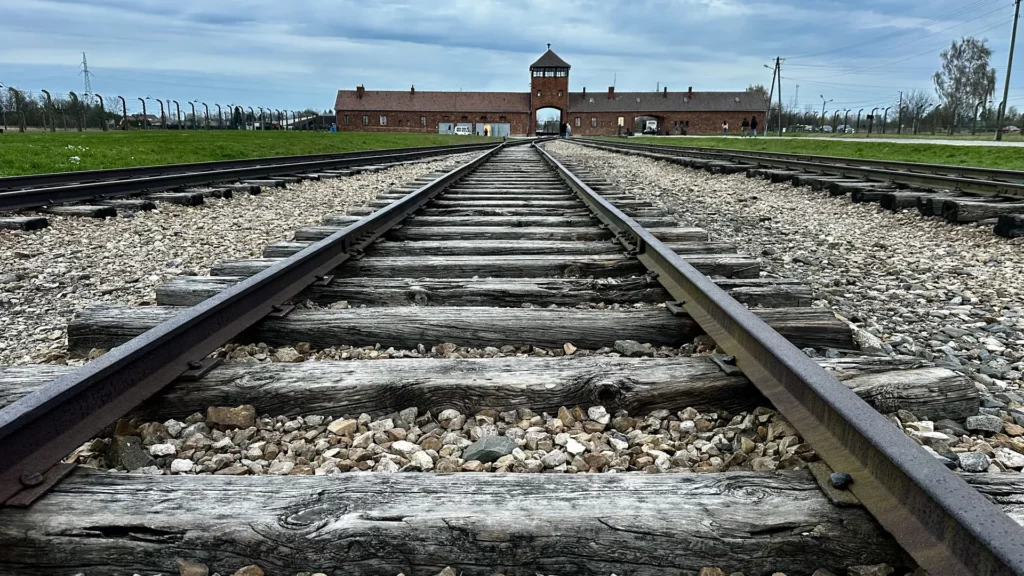
The railway track running into Birkenau is where people were unloaded from the trains. Some were immediately separated from the others and taken directly to the gas chambers — particularly the elderly, children under fifteen, pregnant women, and people with physical disabilities. Only those deemed fit enough for hard physical labour were admitted into the camp.
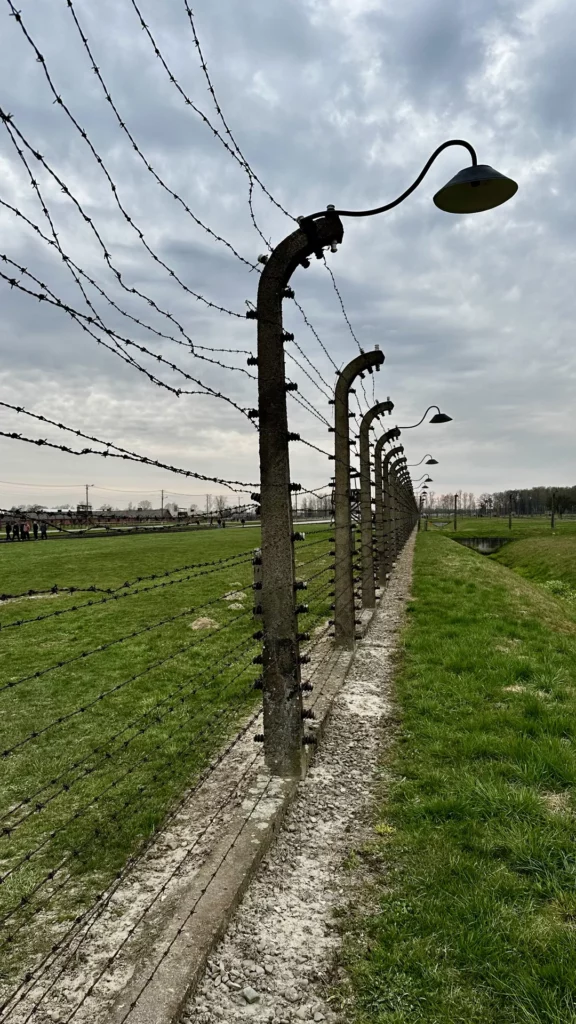
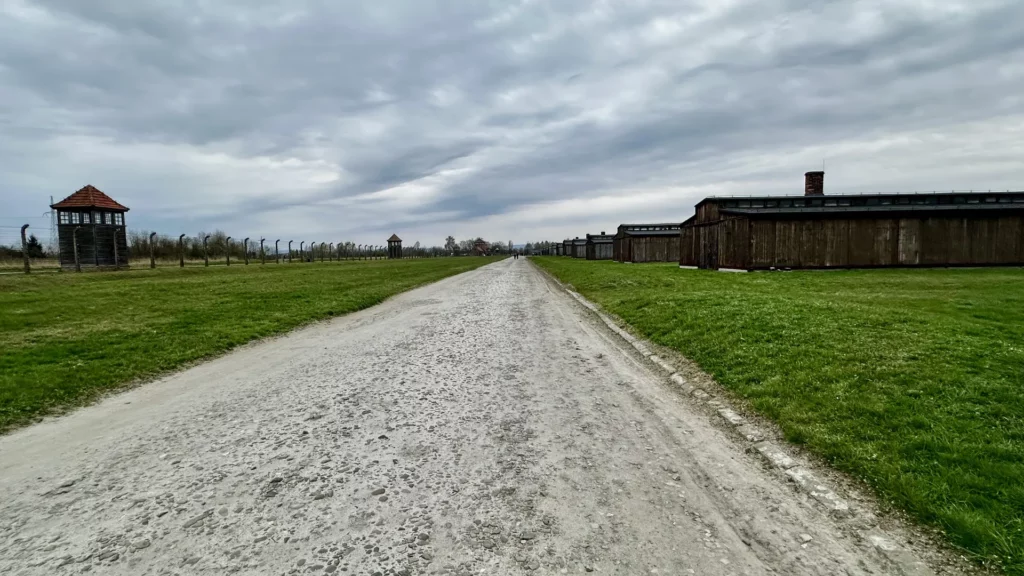
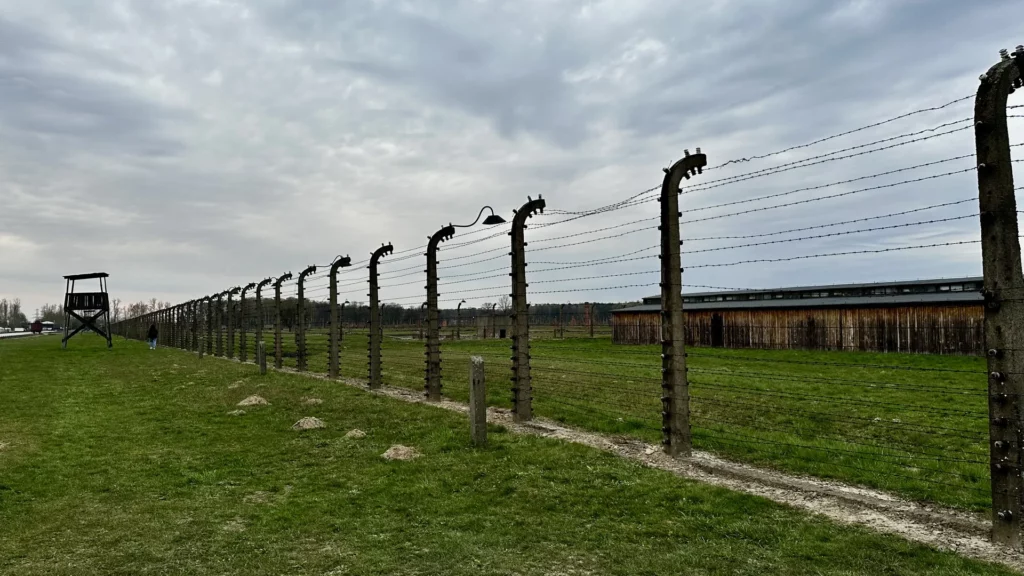
A visit to Auschwitz I and Birkenau leaves one speechless and it is difficult to comprehend the fact that one human being can treat another with such cruelty. One leaves with a conviction that something of this nature should never happen again, but the following quote by Primo Levi written on one of the information boards on the way to the entrance of the camp, states the unfortunate reality: "It happened, therefore, it can happen again... It can happen anywhere".
Day 3
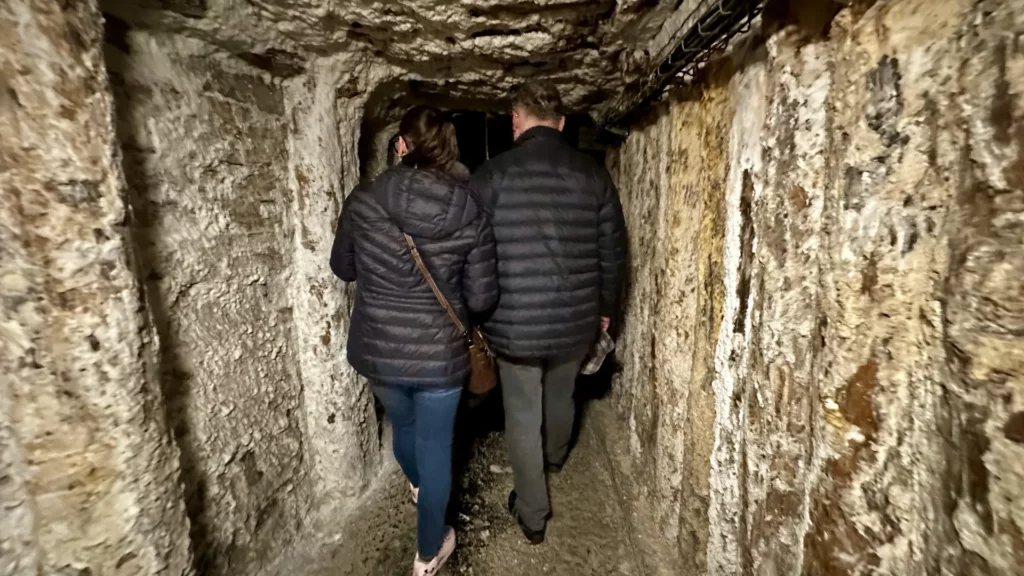
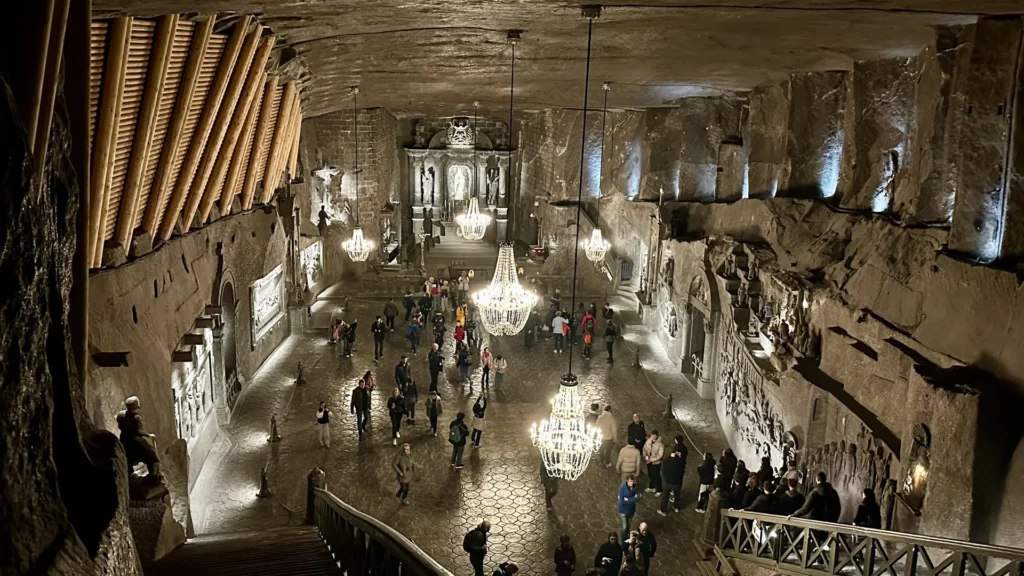
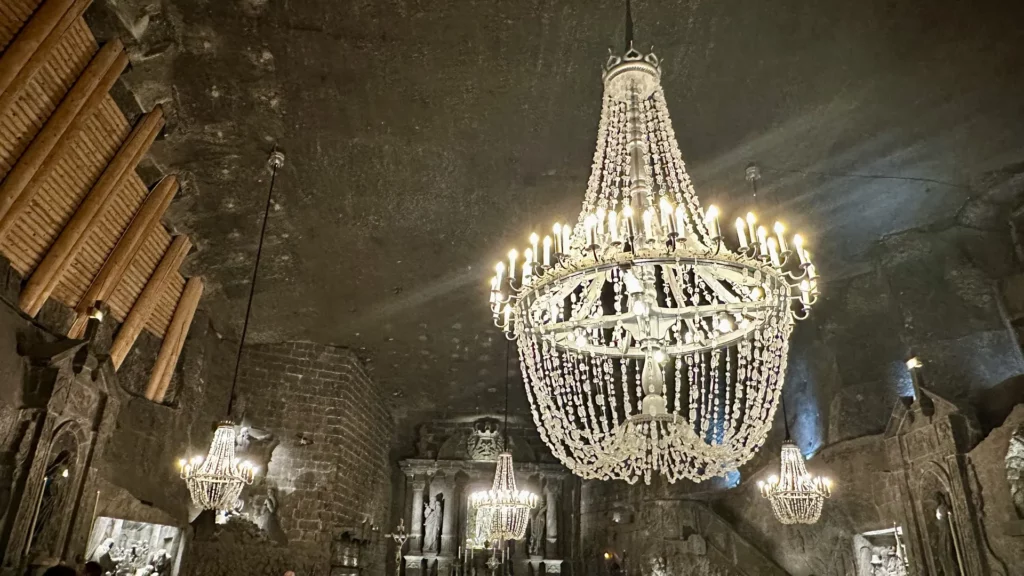
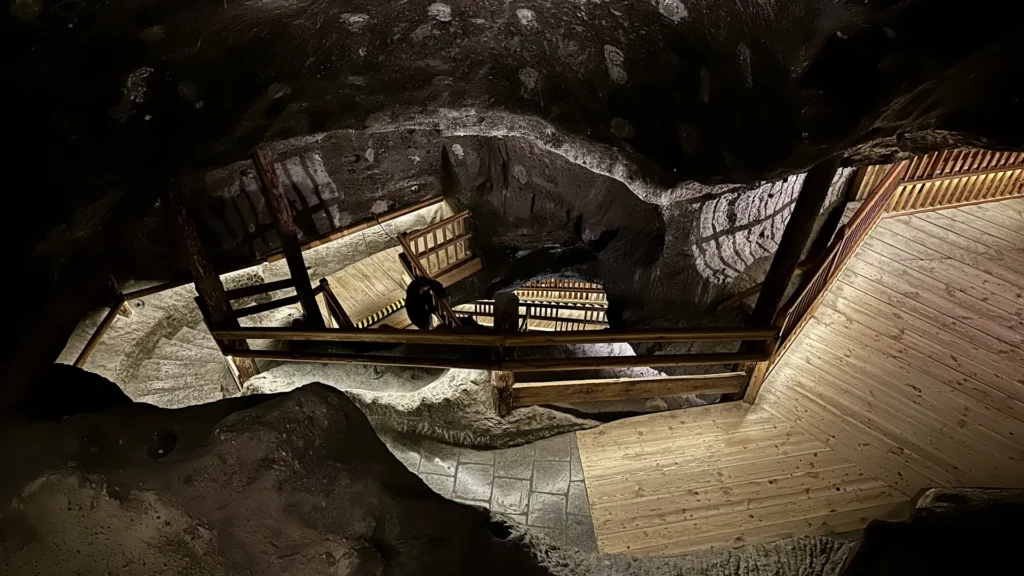
Another excursion worth doing is a visit to the Wieliczka Salt Mine, where salt had been extracted since the 13th century. Mining operations ceased in 1996, and it now functions solely as a museum and tourist attraction. Visitors first descend more than 300 steps to the first level and then continue for approximately 3.5 kilometres through a network of tunnels and chambers to a depth of 135 metres underground. The mine itself, however, reaches a depth of 327 metres and contains a total of 287 kilometres of tunnels. There is even a chapel with sculptures and chandeliers made entirely of salt.

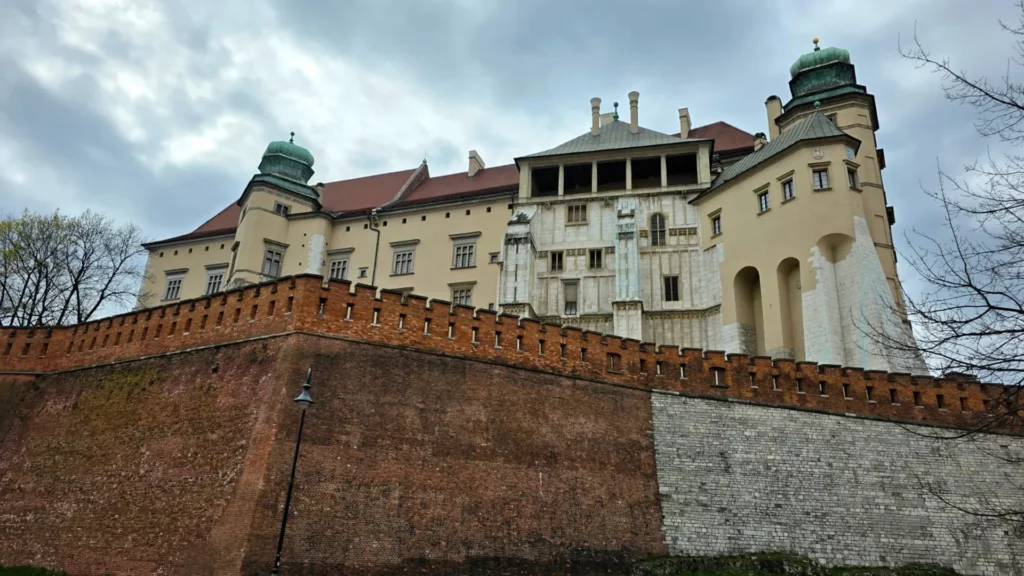
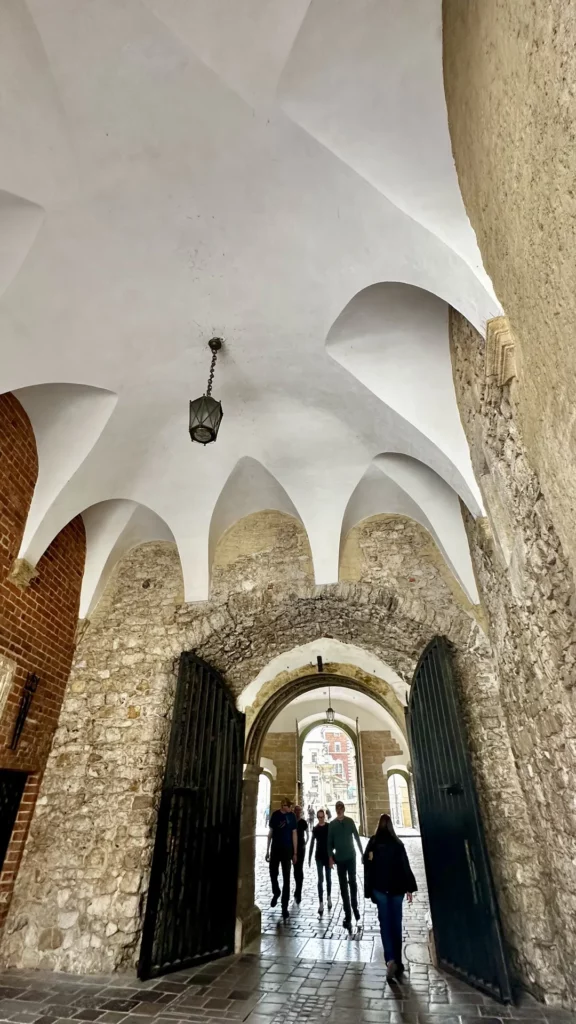
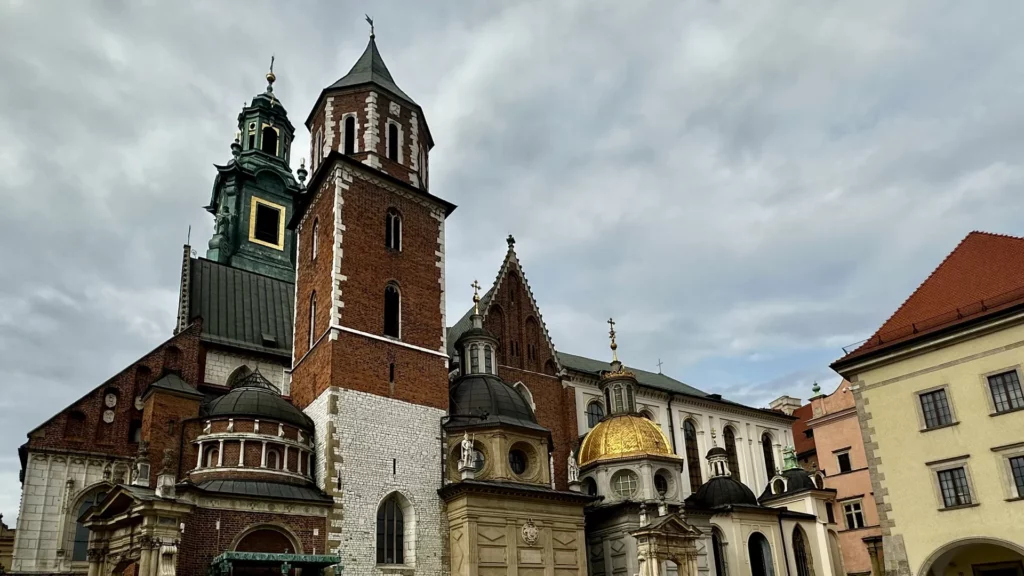
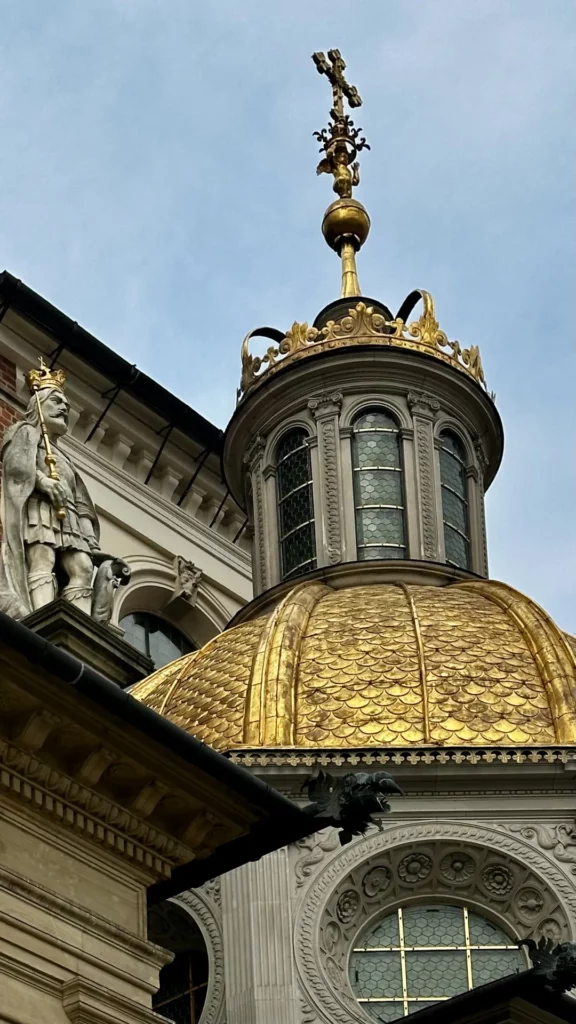
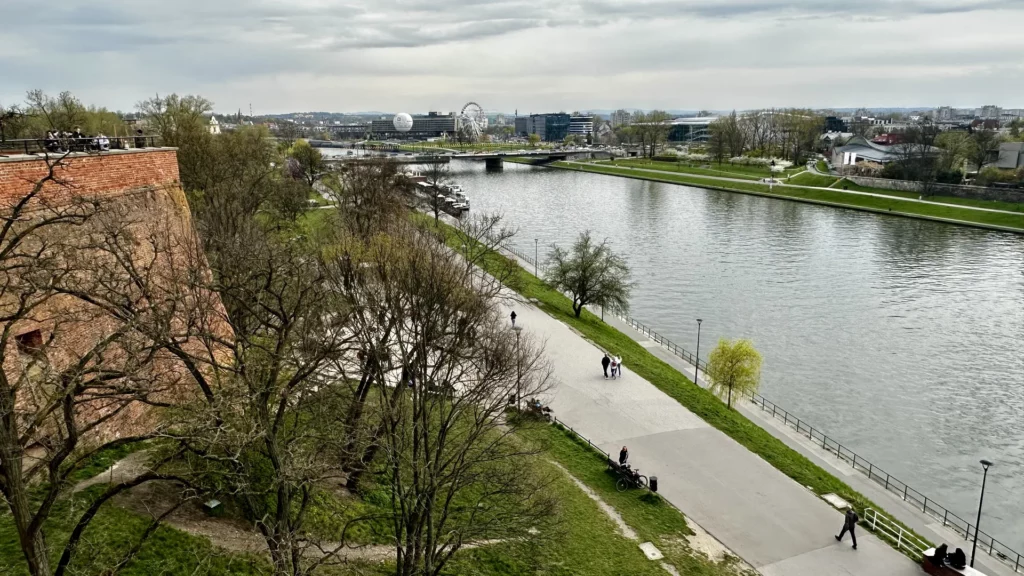
After returning to Kraków, we sample more Polish cuisine at the Chopin Restaurant on the square and visit the Wawel Royal Castle, which stands atop Wawel Hill on the banks of the Vistula River.
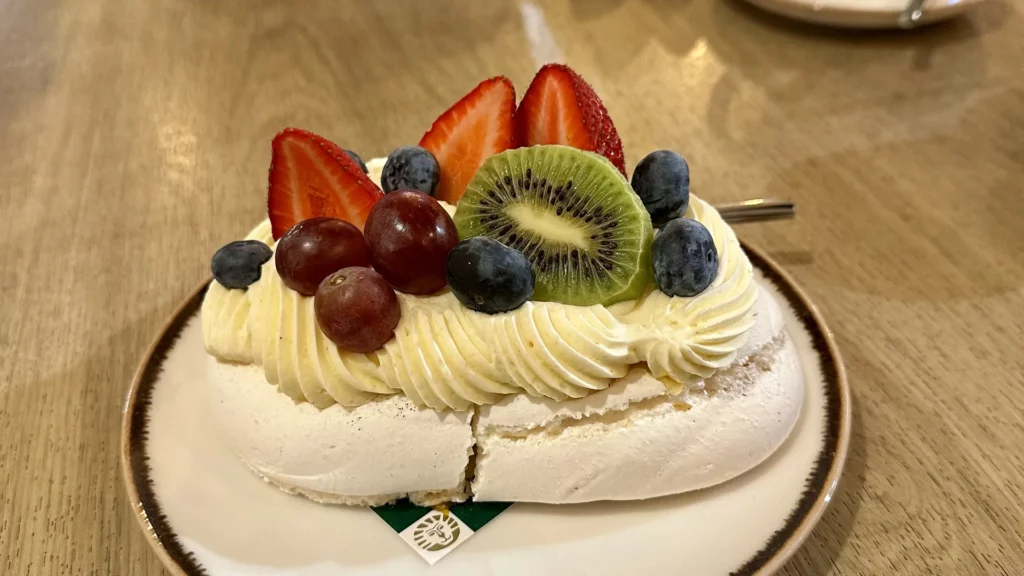
That evening, we attend a classical music performance at Saints Peter and Paul Church and conclude our visit to Kraków with coffee and pavlova at Wentzl Café Bistro on the square.
Kraków turned out to be one of the biggest surprises of our European journey, from wandering through the medieval streets and enjoying traditional Polish cuisine to the sobering experience of visiting Auschwitz-Birkenau and exploring the remarkable Wieliczka Salt Mine, these three days offered a powerful blend of history, culture, and reflection that left a lasting impression.